




Furnace Annealing vs. Rapid Thermal Annealing
Thermal Annealing System
📜 Equipment Introduction
Thermal Annealing is a crucial heat treatment technique in semiconductor manufacturing. It involves heating the wafer to allow atoms to rearrange, thereby repairing defects, relieving stress, and improving crystal structure. Based on the heating method and time, it is primarily categorized into two types: "Furnace Annealing" and "Rapid Thermal Annealing (RTA)".
🎯 I. Objectives and Applications
-
Semiconductor Defect Repair
Eliminates lattice defects and repairs ion implantation damage to enhance crystal quality.
-
Dopant Activation
Enables dopant ions to move into lattice positions and become conductive carriers, improving electrical performance.
-
Silicide Formation
Promotes interface reaction between metal and silicon to form a low-resistance contact layer.
-
Application Fields
Semiconductor wafer processing, optoelectronic material annealing, precision metal and stainless steel stress relief, etc.
⚙️ II. System Principles
-
Furnace Annealing
Wafers are heated for an extended period in a high-temperature tube furnace. It relieves internal stress and promotes grain recrystallization and structural stability. The heating and cooling rates are slower, making it suitable for large batch processing.
-
Rapid Thermal Annealing (RTA)
Utilizes high-power infrared or halogen lamps to directly heat the wafer. High temperatures can be reached within seconds, followed by rapid cooling. It is ideal for short-duration, high-temperature processing to prevent impurity diffusion.
📸 Equipment Images
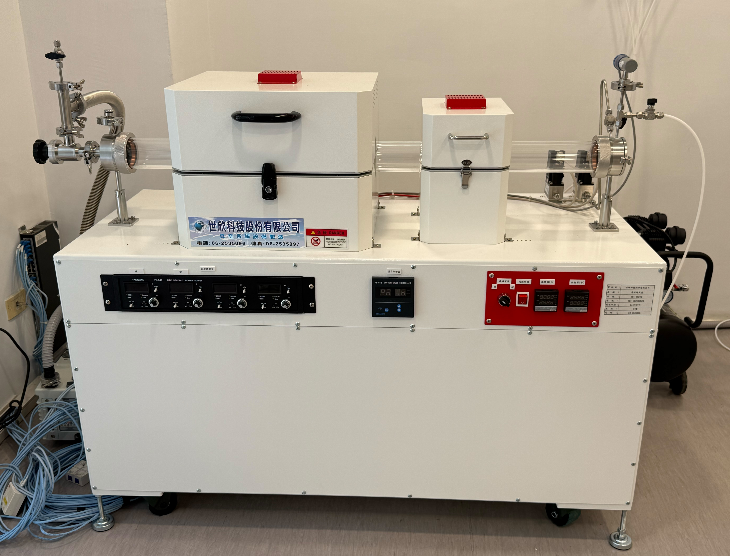
Tube Furnace Annealer
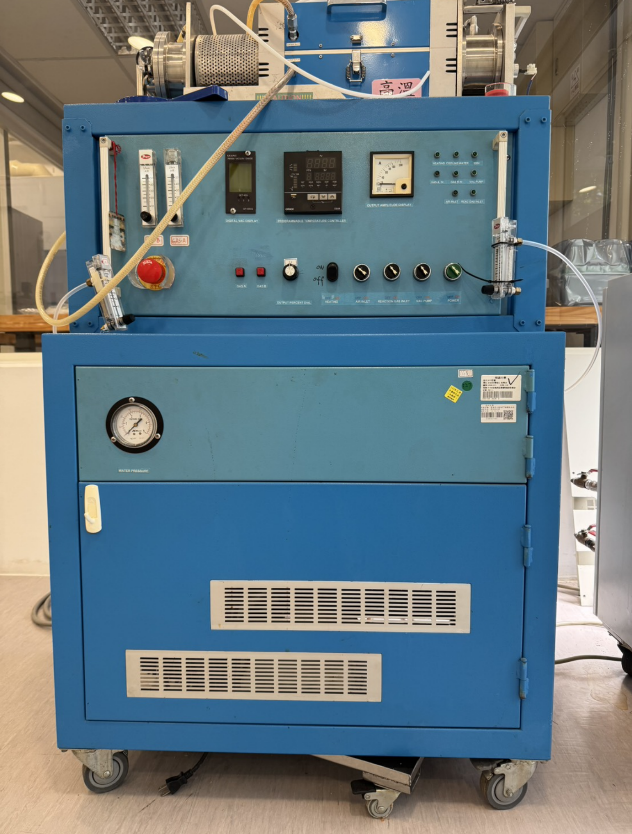
Rapid Thermal Annealer (RTA)
