




Semiconductor Fundamentals
Semiconductor Fundamentals: Chips Are Already Part of Your Daily Life
From smartphone computing and artificial intelligence to electric-vehicle control and medical-device analysis, semiconductors are everywhere.
Start with one chip, discover how technology transforms daily life, and explore where you may contribute in the future.
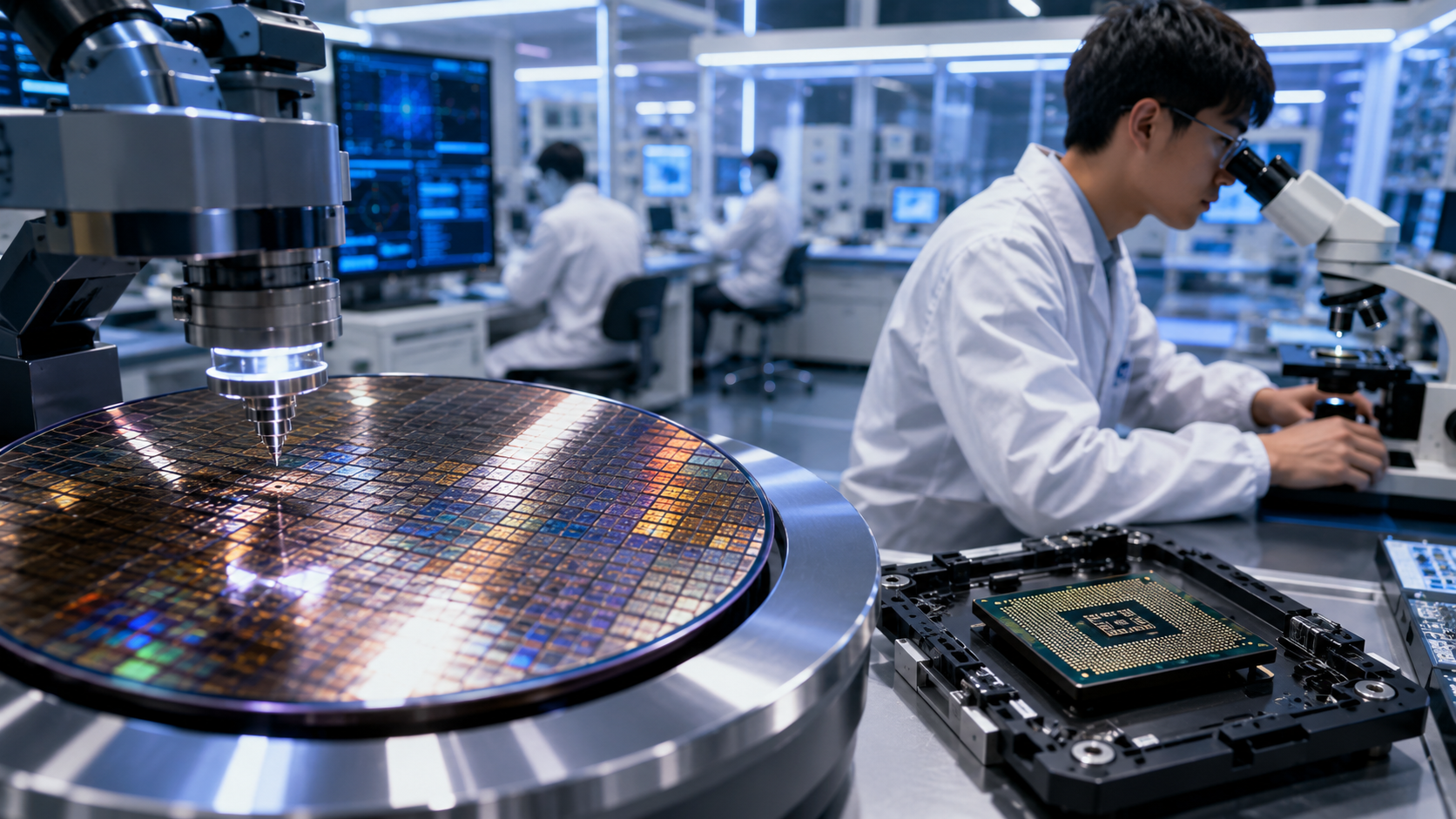
Semiconductors Are Closer Than You Think
They are the core technologies that enable electronic products to compute, store, sense, and communicate.
The technologies we use every day are rarely powered by only one chip. Different chips are designed, manufactured, packaged, and tested to work together as an intelligent system.

AI & High-Performance Computing
Artificial intelligence requires enormous computing and data-processing capability. Chips provide the foundation for training, inference, and real-time applications.
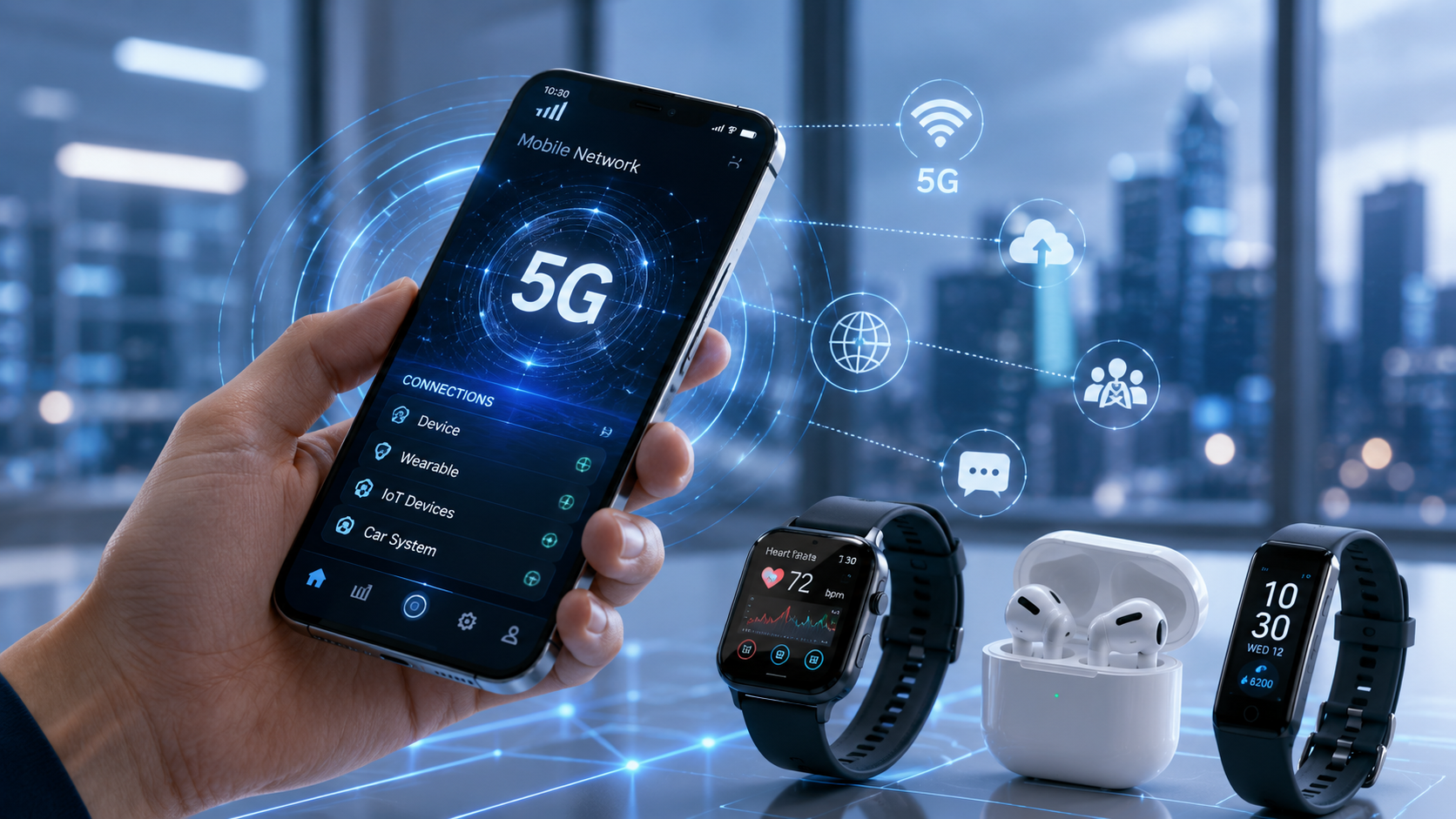
Smartphones & Smart Living
Processors, memory, image sensors, and communication chips make smartphones, wearables, and smart appliances part of modern life.

Smart Mobility & Electric Vehicles
Vehicle sensing, power control, energy management, and driver-assistance systems depend on precise coordination among electronic components and chips.

Healthcare & Smart Sensing
From wearable health devices to precision medical instruments, semiconductors support sensing, measurement, signal transmission, and data analysis.
What Is a Semiconductor?
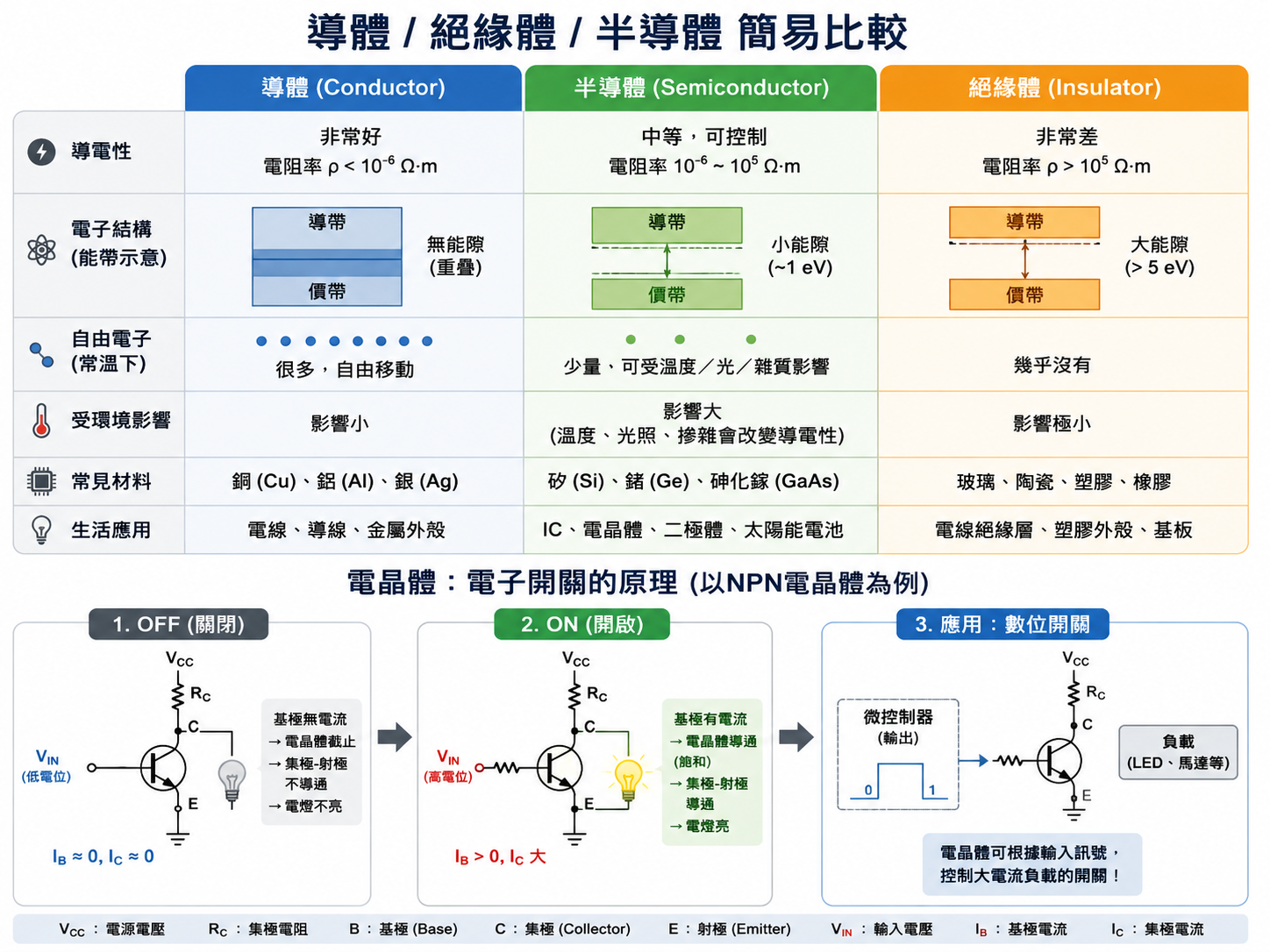
Its most important value is that its electrical behavior can be designed, adjusted, and controlled.
Its conductivity lies between that of a conductor and an insulator—but most importantly, it is controllable.
Conductors allow current to flow easily, while insulators resist electrical flow. The conductivity of a semiconductor can be adjusted through materials, structures, and applied voltage, enabling switching, memory, sensing, and computing.
The Journey of a Chip
Semiconductors are not a single technology, but a complete value chain involving multiple fields of expertise.
IC Design
Define what a chip needs to do, then transform ideas into manufacturable blueprints through circuit and system design.
Wafer Processing
Use materials, thin films, patterning, and process technologies to gradually form precise semiconductor devices on a wafer.
Packaging Integration
Protect the die and establish electrical connections so that chips can transmit signals, dissipate heat, and operate reliably.
Testing & Verification
Use measurement and testing to confirm chip functionality, performance, and reliability before deployment in technology products.
What Can You Start Preparing in High School?
You do not need to complete university-level courses in advance. Strong learning habits and fundamental skills are an excellent starting point.
Mathematics & Science
Mathematics and physics are essential tools for understanding electronics, materials, and engineering concepts. Build your foundation step by step.
English Reading
Technology information and technical terminology are often presented in English. Begin with accessible technology articles and common terms.
Observation & Hands-on Learning
Stay curious, record what you observe, and practice breaking complex problems into smaller parts—essential habits in engineering.
Communication & Teamwork
Semiconductor technology involves many areas of expertise. Clear communication, shared responsibility, and teamwork all matter.
