



Orlando, Florida, United States, 28 May 2026.
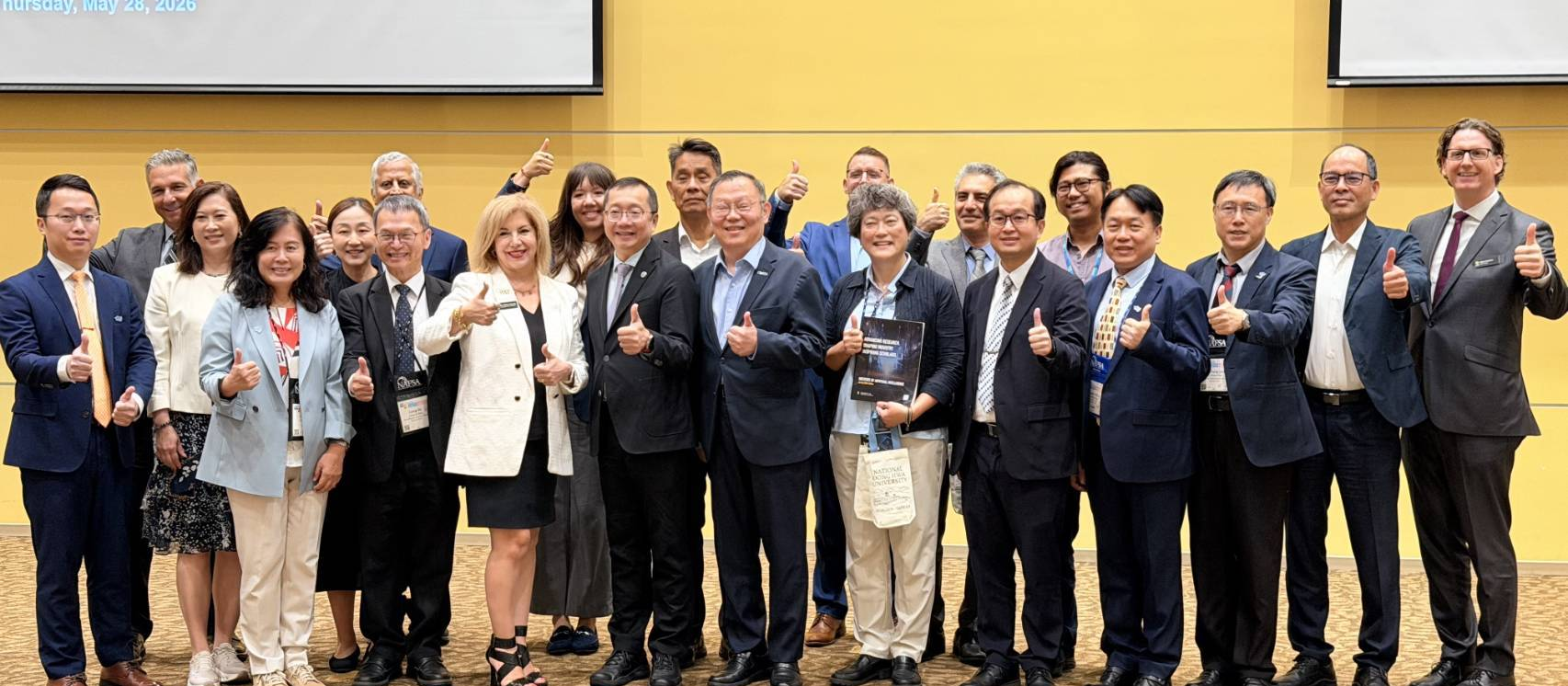
Photo 1. A Taiwan higher-education delegation visited the University of Central Florida (UCF) and was photographed with UCF representatives and local Taiwanese-American business representatives. The discussion focused on international higher-education cooperation, engineering and semiconductor research, emerging technologies, and student exchange.
The visit was arranged at the UCF Morgridge International Reading Center. The program included a welcome lunch, remarks and introductions by UCF officials, a UCF overview, remarks by FICHET, a cooperation discussion, and a group photograph. UCF also arranged introductions by representatives from engineering and computer science, electrical and computer engineering, AI education, and the College of Business, presenting UCF’s overall work in interdisciplinary research, technology education, and international cooperation.
Vice President Jung-Jie Huang noted that UCF is an important public research university in Florida. The visit helped the Taiwan delegation understand UCF’s campus culture and research ecosystem, and showed how a U.S. university combines engineering and technology, international education, and local industry resources to support talent development and innovation. For Asia University, such exchange helps it consider how semiconductor, AI, and smart-manufacturing talent development can be linked with overseas study, international projects, and inter-university cooperation.
Associate Dean of International Affairs Yi-Chi Chen said the Office of International Affairs plays a front-end linking and institutional-design role in a university’s internationalization. UCF Global has long been responsible for international cooperation, services for international students and scholars, overseas study, and global research initiatives. Its model can serve as an important reference for Asia University in student exchange, short-term study, two-way visits, and the management of international partnerships.
UCF Global exchange, from cooperation mechanisms to student mobility, can help build a foundation for future overseas study and inter-university cooperation.
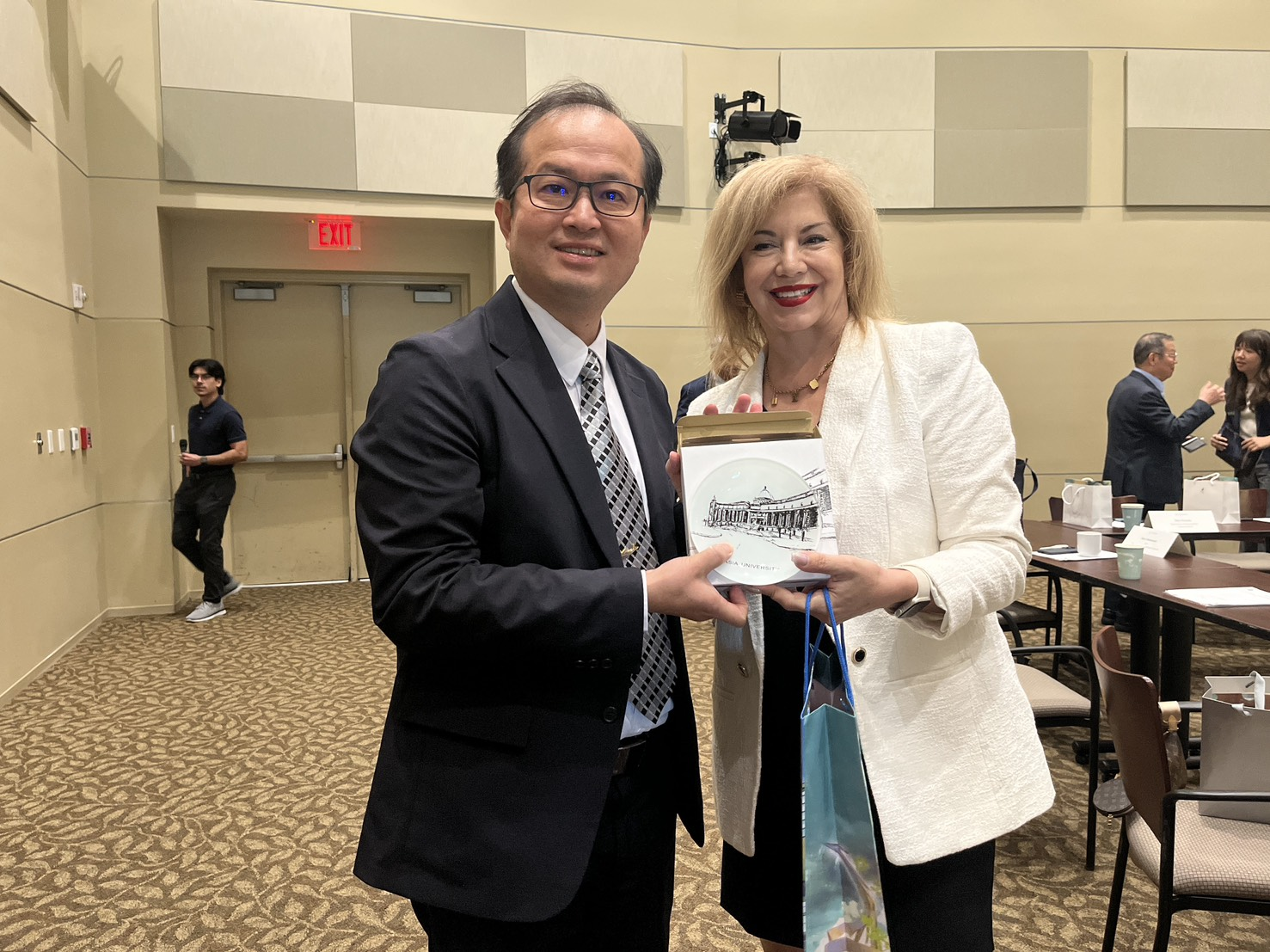
Photo 2. Vice President Jung-Jie Huang presented a souvenir to UCF Global Vice President Nataly Chandia, Ed.D., marking the deepening of international education exchange through the Taiwan higher-education delegation’s visit.
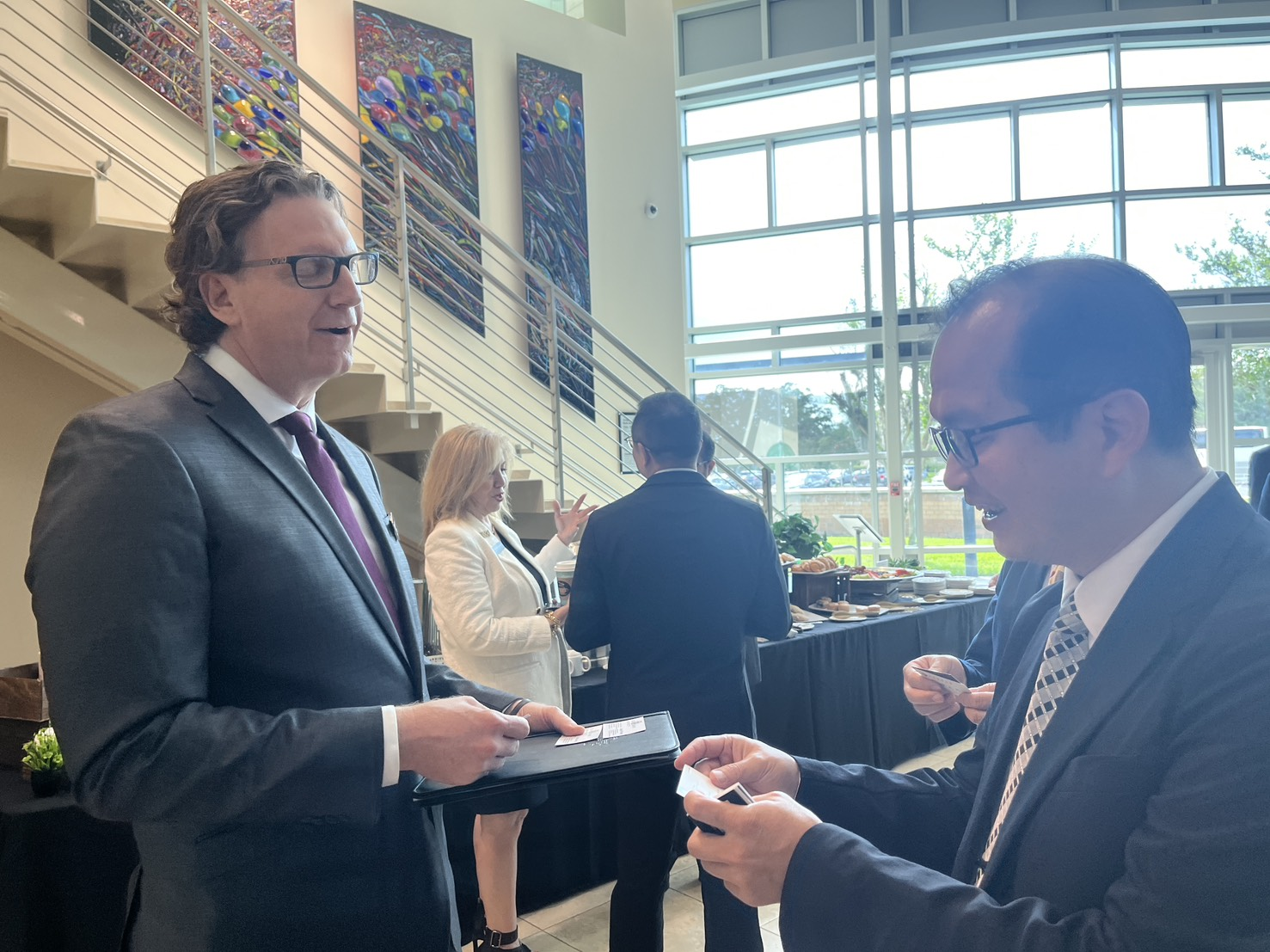
Photo 3. Mark Hartman, Director of International Admissions and Partnerships at UCF Global, exchanged views with Vice President Jung-Jie Huang on international cooperation, student exchange, and possible directions for collaboration.
During the event, Vice President Huang met UCF Global Vice President Nataly Chandia, Ed.D., and presented a souvenir. Nataly Chandia has long taken part in UCF’s internationalization, with responsibilities including global partnerships, services for international students and scholars, regulatory compliance, and the development of international education programs. UCF Global is an important unit for international student services, overseas study, global research initiatives, and international talent development at UCF.
Vice President Huang also spoke with Mark Hartman, whose work includes student recruitment, building international partnerships, and exploring mutually beneficial cooperation with government, education institutions, and community organizations.
Asia University said the interaction helped it better understand how U.S. universities promote international cooperation, student mobility, and cross-campus partnerships, and can serve as a reference for future overseas study, short-term exchange, and inter-university cooperation.
UCF arranged for a number of officials and faculty members to introduce the university’s priorities, including Access and Community Engagement, UCF Global, the College of Engineering and Computer Science, the Department of Electrical and Computer Engineering, the College of Business, and units related to international cooperation. The program focused on UCF’s work in innovation, engineering, technology, and interdisciplinary research, and explored possible directions such as joint research initiatives, faculty and student mobility, and institutional partnerships.
On semiconductors and engineering, participants included Professor Ranganathan Kumar, Associate Dean for Research in the College of Engineering and Computer Science; Professor Reza Abdolvand, Chair of the Department of Electrical and Computer Engineering; representatives in AI education and talent development; and representatives for strategic development in the College of Business. Asia University said UCF’s research capacity in engineering, electrical engineering and computer science, AI, and interdisciplinary applications is an important reference for Asia University’s work in semiconductor processing, packaging and testing, smart manufacturing, and AI talent development.
In recent years Asia University has promoted the Bachelor Program of Semiconductor and the AI Semiconductor Design and Sustainable Manufacturing Research Center, and has continued to strengthen teaching and research in semiconductor processing, packaging and testing, smart manufacturing, and AI applications. Vice President Huang noted that semiconductor talent development is not only a matter of a single curriculum design. Hands-on training, an international outlook, industry understanding, and cross-cultural communication also need to be part of the overall educational plan.
International cooperation can take UCF Global as a reference, and strengthen student exchange, short-term study, and the management of international partnerships. Semiconductor talent development can combine the semiconductor program, the AI semiconductor research center, and industry practice to educate interdisciplinary technology talent. Follow-up work can build on steady exchange and explore possible cooperation in engineering and technology, semiconductor research, and emerging technologies.
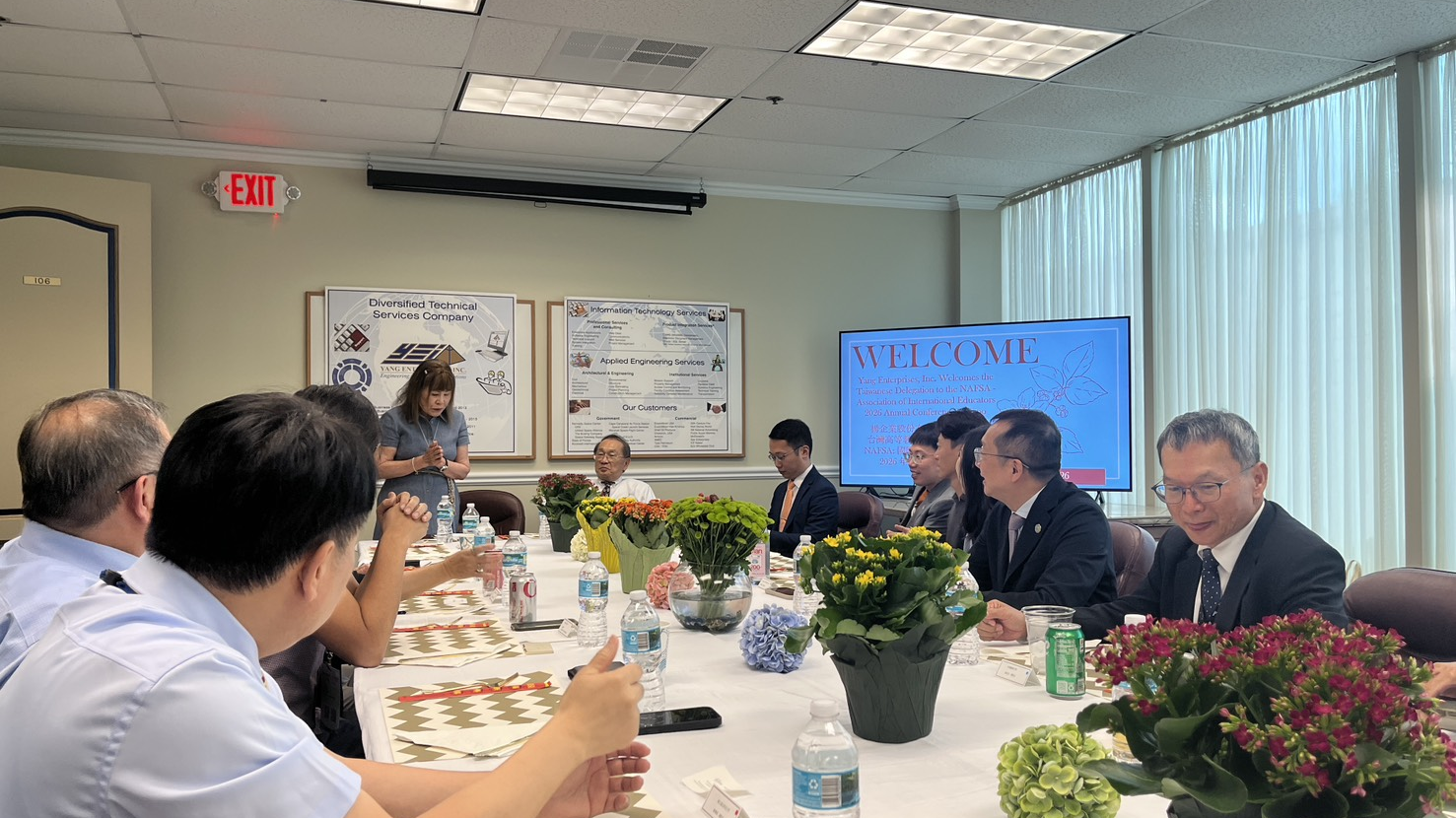
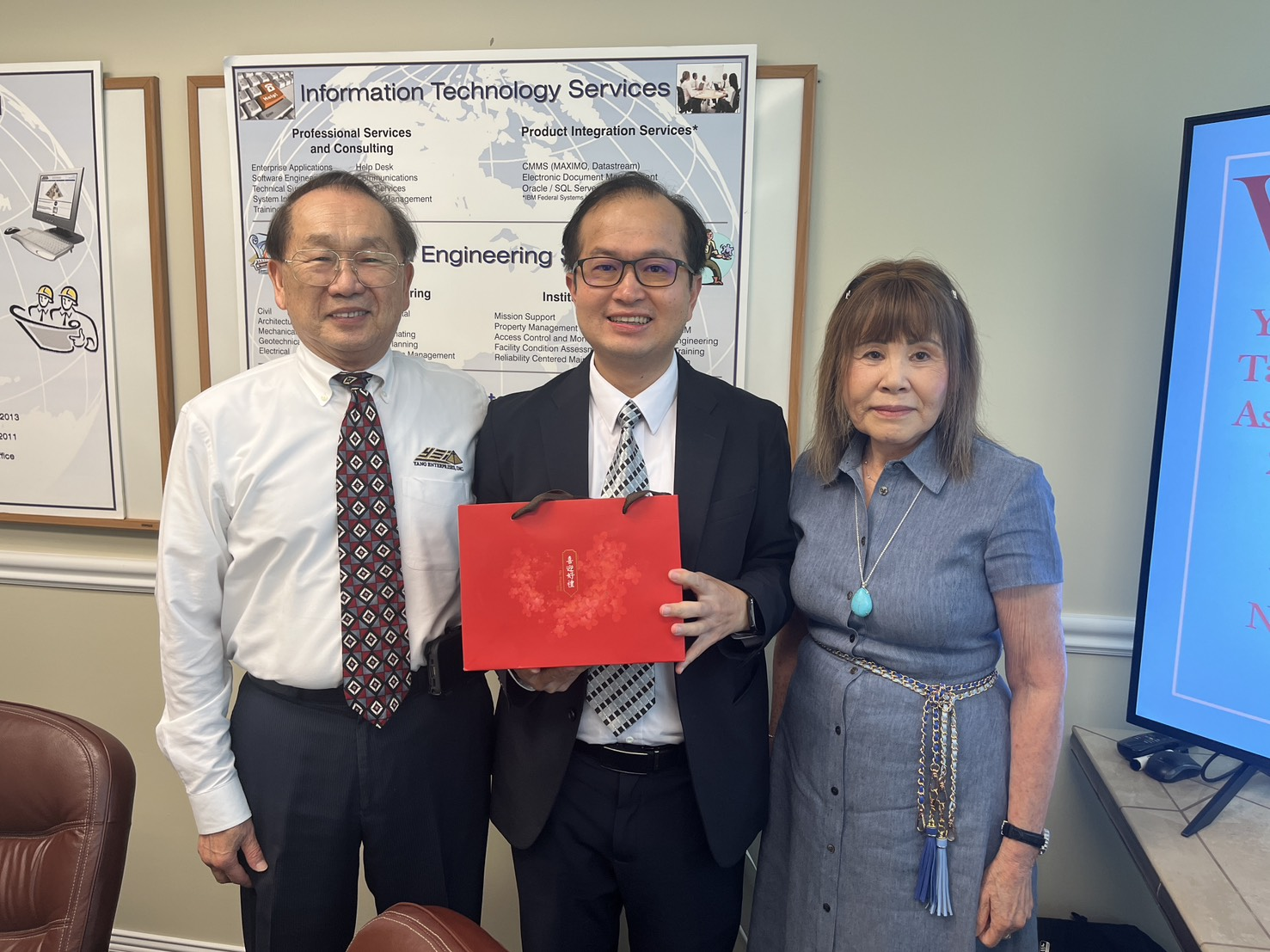
Photo 4. The Taiwan higher-education delegation visited Yang Enterprises, Inc. Company representatives gave a welcome and a briefing on their experience in engineering management, information technology, infrastructure, and aerospace-related services.
Photo 5. Vice President Jung-Jie Huang (center) visited Dr. Ting-Lin Yang (left), founder of Yang Enterprises, and Mrs. Li-Wan Yang Lin (right), and presented a souvenir on behalf of Asia University.
The delegation also visited the Taiwanese-American company Yang Enterprises, Inc., founded by Dr. Ting-Lin Yang and headquartered in Oviedo, Florida. The company has long provided professional services in engineering management, information technology, infrastructure, logistics, and operations and maintenance, and has taken part in U.S. government, aerospace, and public-works projects, with a strong base in engineering and technology services in Florida.
Dr. Ting-Lin Yang holds a doctorate in civil engineering from the University of Central Florida, and has served as a visiting professor in civil engineering and as a member of the dean’s advisory committee in the College of Engineering and Computer Technology. He has long been concerned with Taiwan–U.S. technology, education, and overseas-community exchange. The visit helped the Taiwan delegation understand the experience of Taiwanese-American businesses in U.S. technology and engineering industries, and showed the important bridging role of overseas Taiwanese communities in cooperation among local governments, universities, and industry in Taiwan and the United States.
Vice President Huang said the visits to UCF and Yang Enterprises made clear the close connections among higher education, urban development, engineering industry, and overseas-community resources in the United States. For Asia University, such exchange helps the university consider how to connect semiconductor, AI, smart manufacturing, and engineering talent development with international industry settings and overseas learning opportunities.
President Jeffrey J. P. Tsai said internationalization is an important direction for educating future talent. Asia University will continue to encourage faculty and students to take part in international exchange, and, through the Office of International Affairs, the Bachelor Program of Semiconductor, and the AI Semiconductor Design and Sustainable Manufacturing Research Center, will gradually expand opportunities for overseas study, research exchange, industry links, and international cooperation, educating a new generation of talent with professional knowledge, practical ability, and a global outlook.