



Asia University’s Bachelor Program of Semiconductor Deepens Engagement in Malaysia
Advancing Taiwan–Malaysia semiconductor talent development through hands-on education, industry connection, and international learning.
Building on Asia University’s earlier partnership agreements with 26 Malaysian high schools, the University’s Bachelor Program of Semiconductor recently continued its outreach in Penang through a six-day exchange programme. The delegation visited Chung Ling Private High School, Han Chiang High School, and SMJK Jit Sin, engaging students, teachers, and parents in discussions on semiconductor industry trends, artificial intelligence, and the pathway from secondary education to university study and future careers.
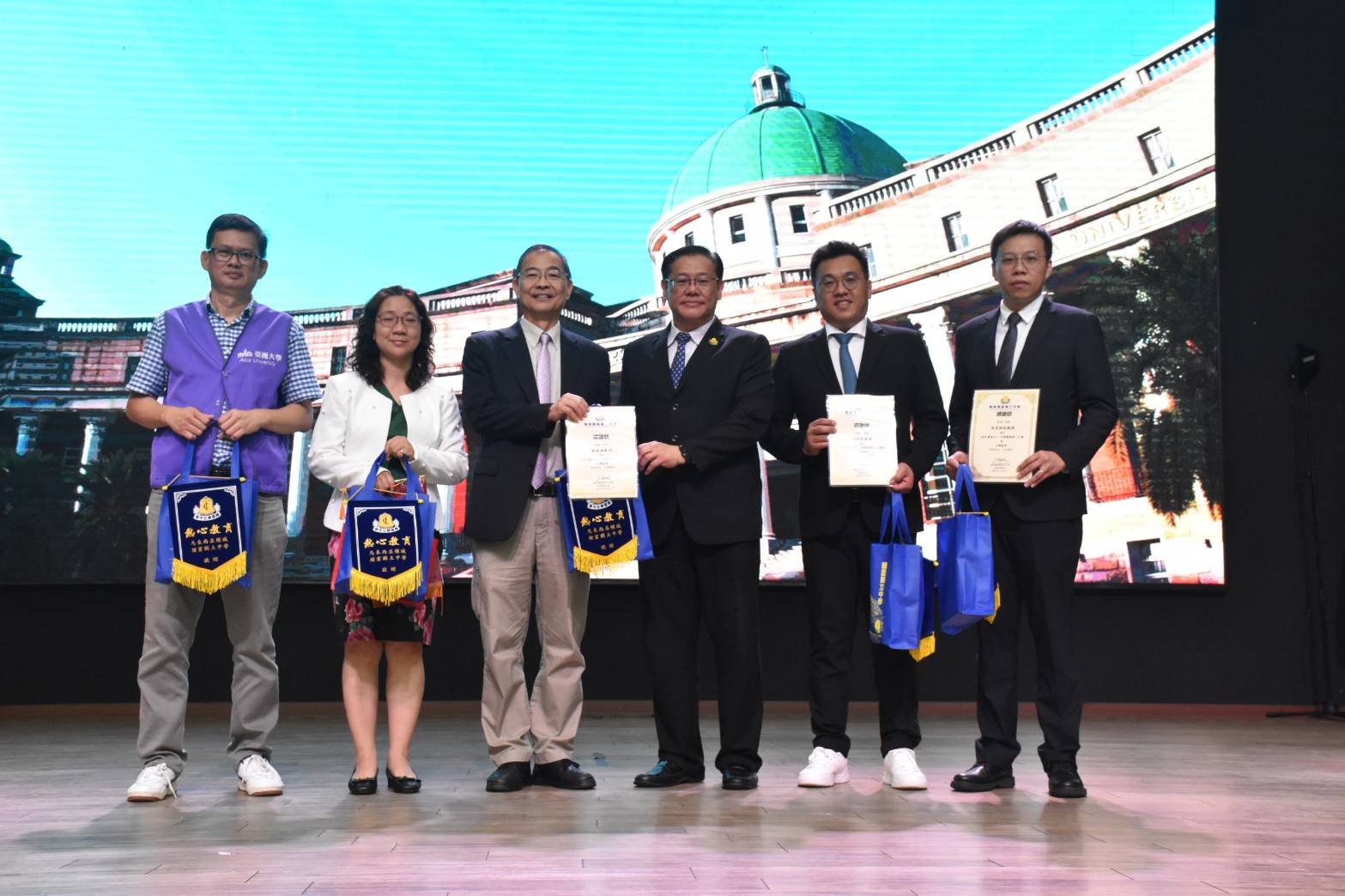
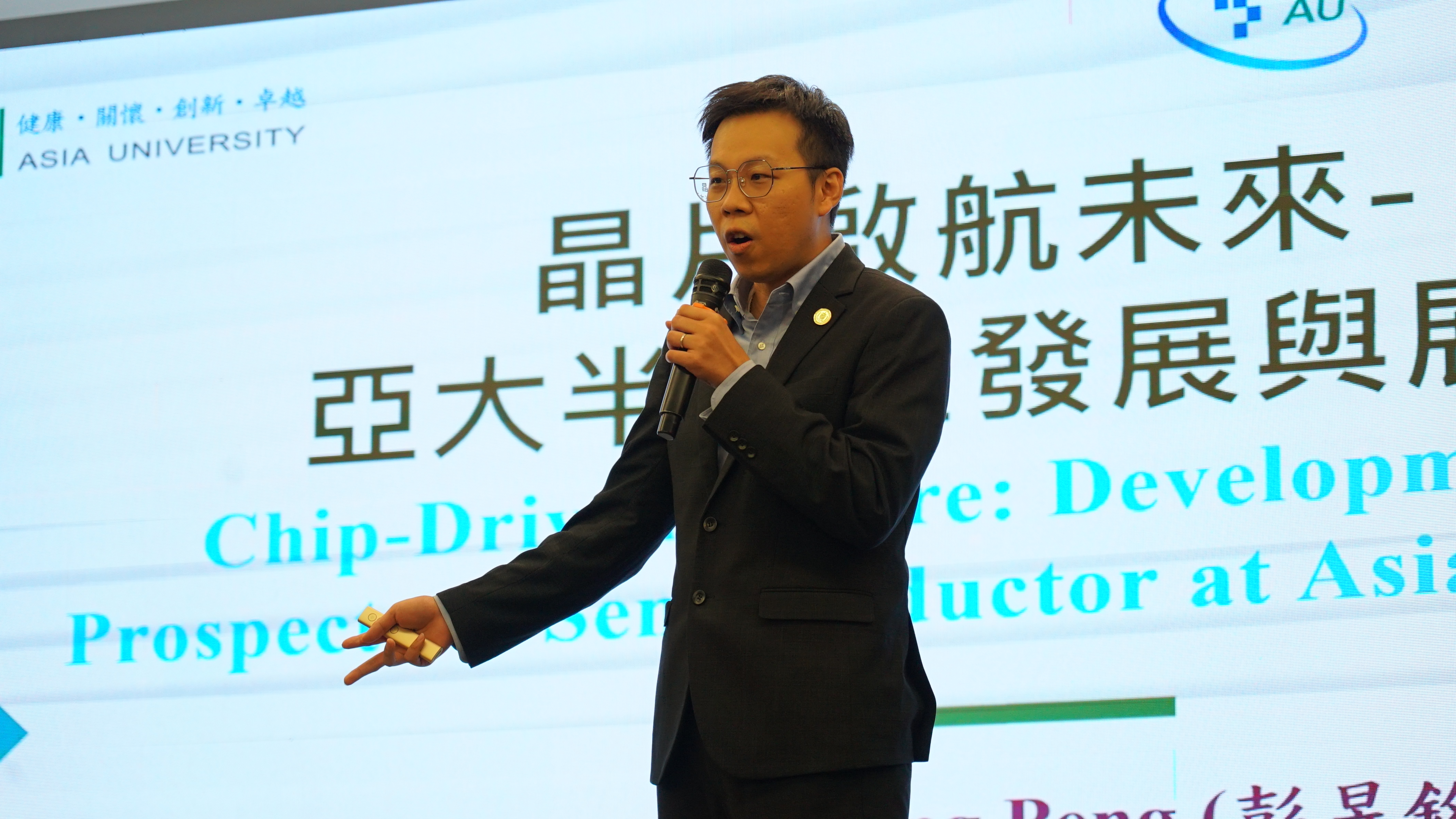
Suggested caption: Associate Professor Yu-Ming Peng of Asia University’s Bachelor Program of Semiconductor shares semiconductor industry trends and talent development insights with Malaysian students.
Understanding the Technology Behind the AI Era
The programme was centred on the theme, “A Chip-Driven Future: Asia University’s Semiconductor Development and Vision.” Associate Professor Yu-Ming Peng explained that the rapid development of artificial intelligence has made semiconductors more visible and more essential in everyday life. Smartphones, cloud computing, smart manufacturing, medical devices, electric vehicles, and intelligent systems all depend on high-performance chips, advanced packaging, and reliable testing technologies.
“Semiconductors are not just one career field,” Associate Professor Peng noted. “They form a complete ecosystem that includes IC design, materials, devices, manufacturing, packaging, testing, equipment, quality assurance, and system applications.” He encouraged students to develop an early understanding of how mathematics, physics, chemistry, computer science, and engineering can converge in real technological challenges, helping them make more informed choices about future studies and careers.
In response to the rapid development of AI, semiconductors, and interdisciplinary technologies, universities must connect secondary schools, industry, and international partners at an earlier stage, enabling students to understand real-world trends before choosing their professional direction.
— A perspective previously shared by Asia University President Jeffrey J.P. Tsai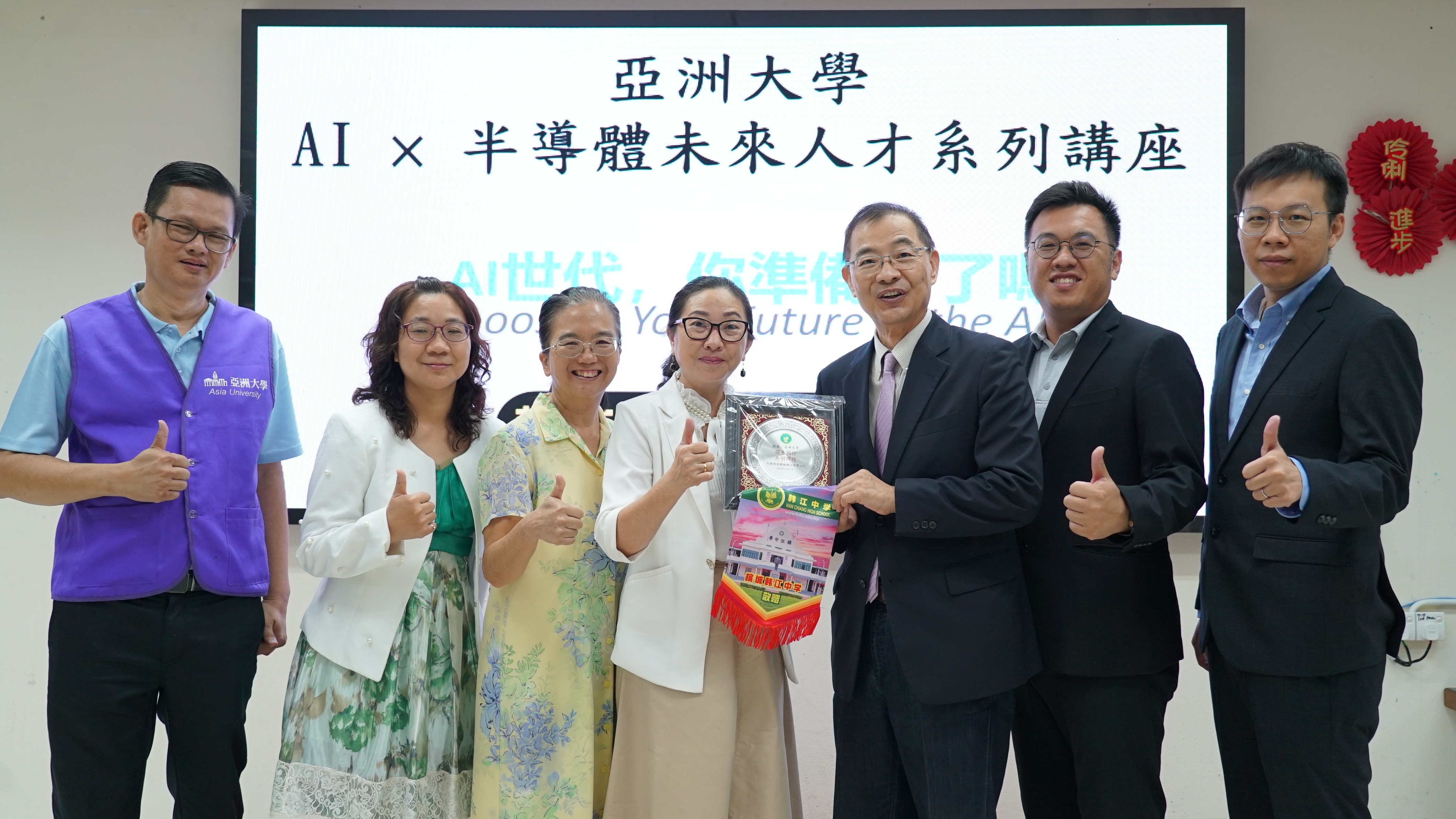
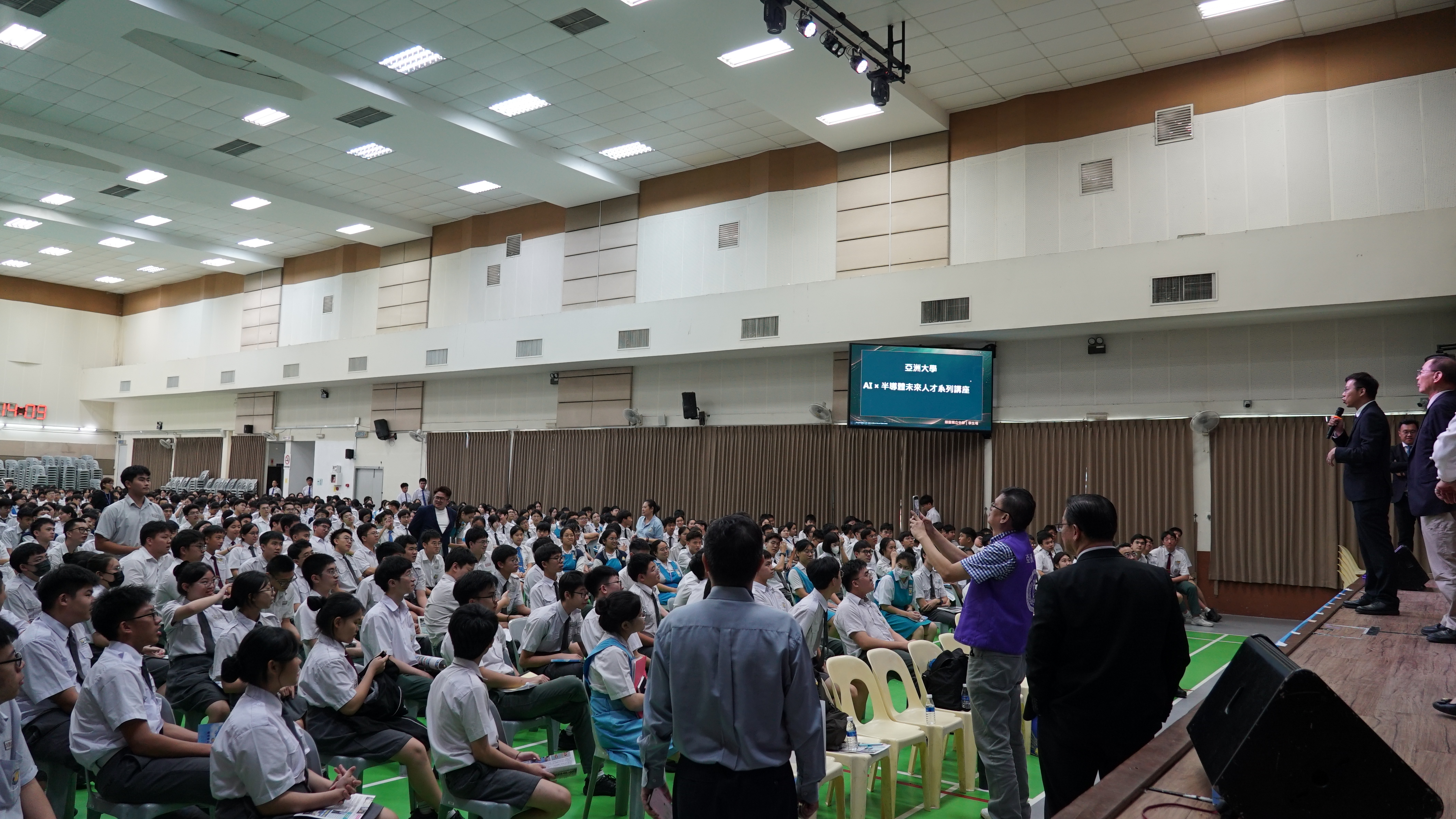
Suggested caption: Students at Chung Ling Private High School actively participate in the AI and semiconductor future-talent session.
Suggested caption: Asia University delegates exchange views with teachers and students at Han Chiang High School on technology education and future careers.
Hands-On Learning from Semiconductor Processes to Packaging and Testing
A defining feature of Asia University’s Bachelor Program of Semiconductor is its emphasis on combining academic foundations with practical learning. The programme focuses particularly on semiconductor manufacturing, packaging, and testing, while also connecting with IC design expertise in the University’s computer science and information engineering disciplines.
Associate Professor Peng explained that a chip’s journey does not end with design. It must move through a series of highly precise processes—including manufacturing, dicing, die bonding, wire bonding, packaging, and testing—before it can become a reliable component in a mobile device, server, vehicle, or intelligent system. Each stage involves critical considerations such as precision, yield, reliability, heat dissipation, quality management, and teamwork.
to understanding and applying them
- Interdisciplinary learning that integrates semiconductor fundamentals, electronic circuits, programming, materials, and system applications.
- Practical exposure to semiconductor-related packaging and testing processes, including dicing, die bonding, wire bonding, packaging, and testing.
- Case-based learning, hands-on platforms, and industry dialogue that strengthen problem-solving, quality awareness, and teamwork.
- Connections to AI, smart manufacturing, and international career development.
Associate Professor Peng stressed that hands-on education is not simply about seeing equipment. Its purpose is to help students understand the engineering logic behind the technology. By engaging with semiconductor processes and packaging-and-testing workflows, students can appreciate how small deviations affect product quality, how teams collaborate in precision environments, and how practical experience supports continuous professional growth.
Asia University delegates exchange views with Malaysian school leaders and teachers on technology education, AI literacy, and talent development.
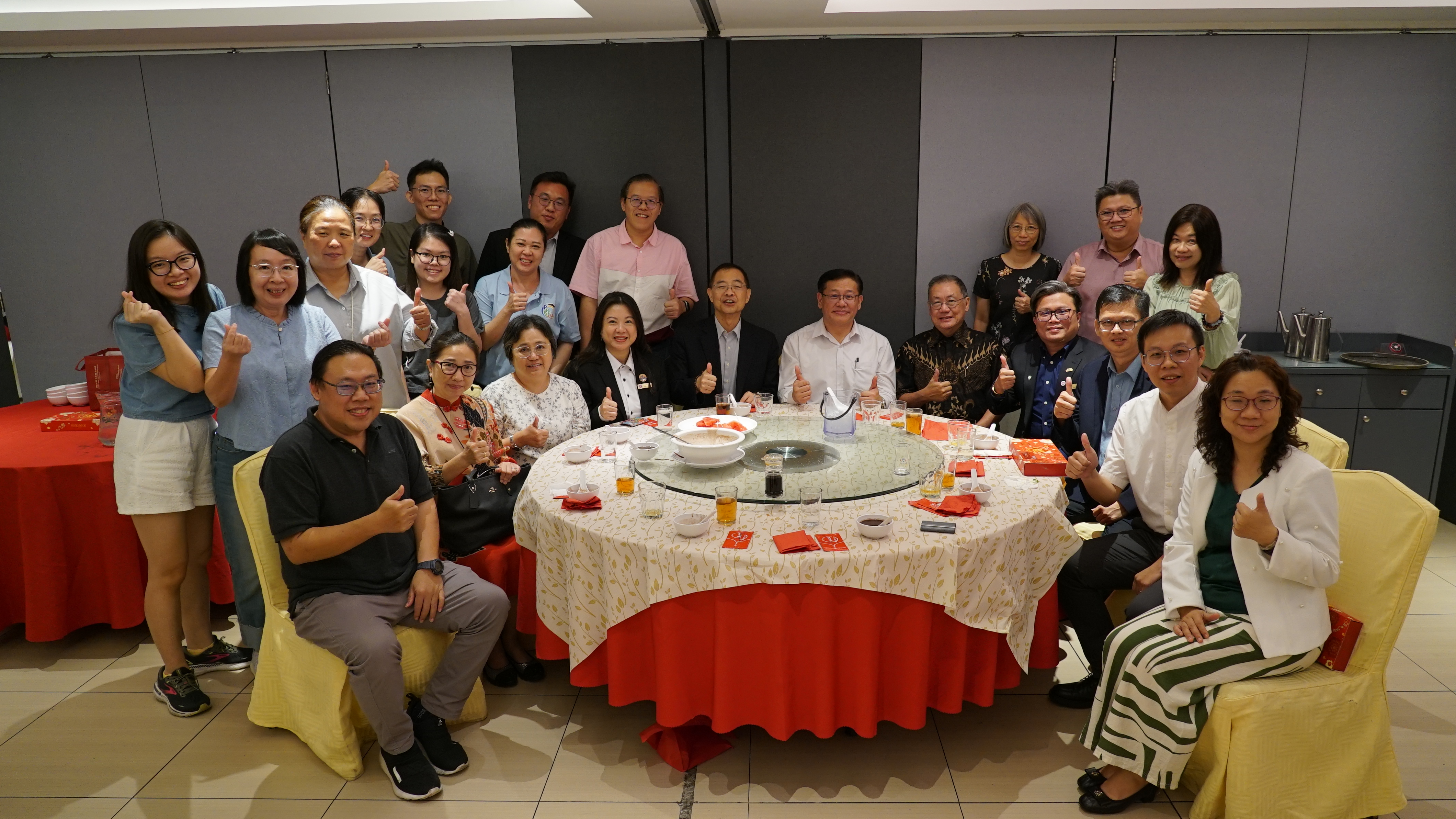
Asia University delegates engage parents, education partners, and community representatives in dialogue on student pathways and future opportunities.
Supporting Teachers, Parents, and Students in Making Informed Choices
In addition to student lectures, the visit included dedicated sessions for teachers and parents. For teachers, semiconductors provide a meaningful gateway to interdisciplinary education, linking classroom learning in science, mathematics, computing, and language with real-world technology. For parents, the delegation addressed practical concerns related to academic pathways, hands-on resources, student support, and career development—emphasising that technology education is not simply about pursuing a popular major, but about building durable skills for an evolving world.
Asia University’s delegation comprised Associate Professor Yu-Ming Peng; Professor Chao-Neng Wang, Vice President for Industry–Academia Collaboration; Professor Jun-Wei Lin, Dean of Academic Affairs and Vice President for International Affairs; and Director Yueh-Ying Wang. Professor Wang shared perspectives on the capabilities valued by industry, including professional foundations, problem-solving, communication, collaboration, and quality awareness. Professor Lin discussed university learning, interdisciplinary development, and international student support.
Strengthening Taiwan–Malaysia Educational Partnerships
The exchange received strong support from Malaysia’s education community and overseas Chinese networks. Chung Ling Private High School Principal Wu Wei-Cheng, Han Chiang High School Principal Chiang Pei-Chia, and SMJK Jit Sin Principal Lee King-Fung were among the key education partners supporting dialogue across student, teacher, and parent audiences. Looking ahead, Asia University’s Bachelor Program of Semiconductor will continue to explore semiconductor and AI lectures, teacher development, student experiences, short-term programmes, practical courses, and industry visits, building a sustained talent pathway from secondary education to professional and international careers.
