



International Foundation Program
International Foundation Program
Begin with Chinese language preparation, then continue into bachelor’s degree study.
Learn across chip design, materials and processes, packaging, and testing.
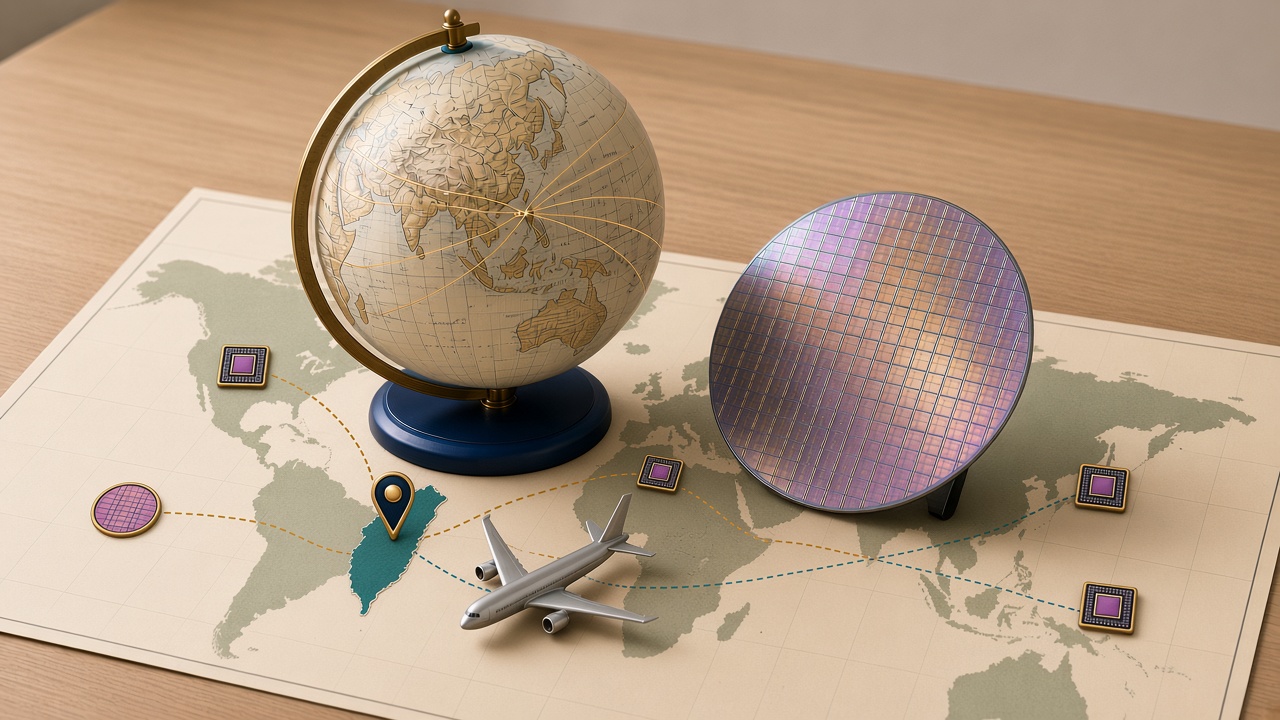
The Bachelor Program of Semiconductor will be included in Asia University’s International Foundation Program admissions for Academic Year 116. This program is built around the complete semiconductor value chain—IC design, materials and processes, packaging, and testing—so students begin with shared foundations and then explore the direction that best matches their interests. Eligible Overseas Chinese, Hong Kong and Macao students, and international students are welcome to apply.
Chinese preparation first, then bachelor’s study
Asia University’s International Foundation Program follows a 1+4 structure: students spend the first year in intensive Chinese language preparation and must obtain TOCFL A2 or above before progressing into a four-year bachelor’s program. After entering degree study, students continue to strengthen their Chinese proficiency according to IFP requirements. Eligibility, schedule, tuition, and scholarships are subject to announcements by the International Foundation Program and the University.
Admission quotas shared by three departments
Final admissions information, eligibility, and schedule are subject to the official admission brochure and University announcements.
About the Bachelor Program of Semiconductor
Semiconductors are not a single discipline. They connect electronics, information technology, materials, processes, mechanics, measurement, and system integration. Students begin with common foundations and gradually build interdisciplinary understanding and practical capability.
Semiconductor Devices & Design
This track is suitable for students interested in electronic devices, circuit logic, chip design, and intelligent systems. Starting from device characteristics, students explore how chips support computing, sensing, memory, and system control.
Students learn foundational concepts in semiconductor devices and electronic systems, develop circuit, design-logic, and simulation thinking, and understand how chip design connects with intelligent applications.
Semiconductor Materials & Process
This track is suitable for students interested in materials, chemistry, physics, precision manufacturing, and hands-on practice. Beginning with materials and processes, students learn how chips are manufactured, packaged, measured, and verified.
Students learn foundations in semiconductor materials, thin films, processes, and measurement; understand packaging, testing, and reliability; and build observation, operation, data-interpretation, and problem-analysis skills.
Hands-on learning environments
Learning is connected to practice. Under faculty guidance and safety rules, students may use semiconductor analysis and measurement equipment, the IC Packaging Quasi Production Line, AR/VR classrooms, and related teaching platforms. AR/VR resources help students understand process flow, equipment structure, and operating safety before they work with the instruments.
Program Features Curriculum Facilities Faculty
International Foundation Program Office of International Affairs
