



Asia University Partners with 26 Malaysian High Schools
to Build a Taiwan-Malaysia Semiconductor Talent Platform
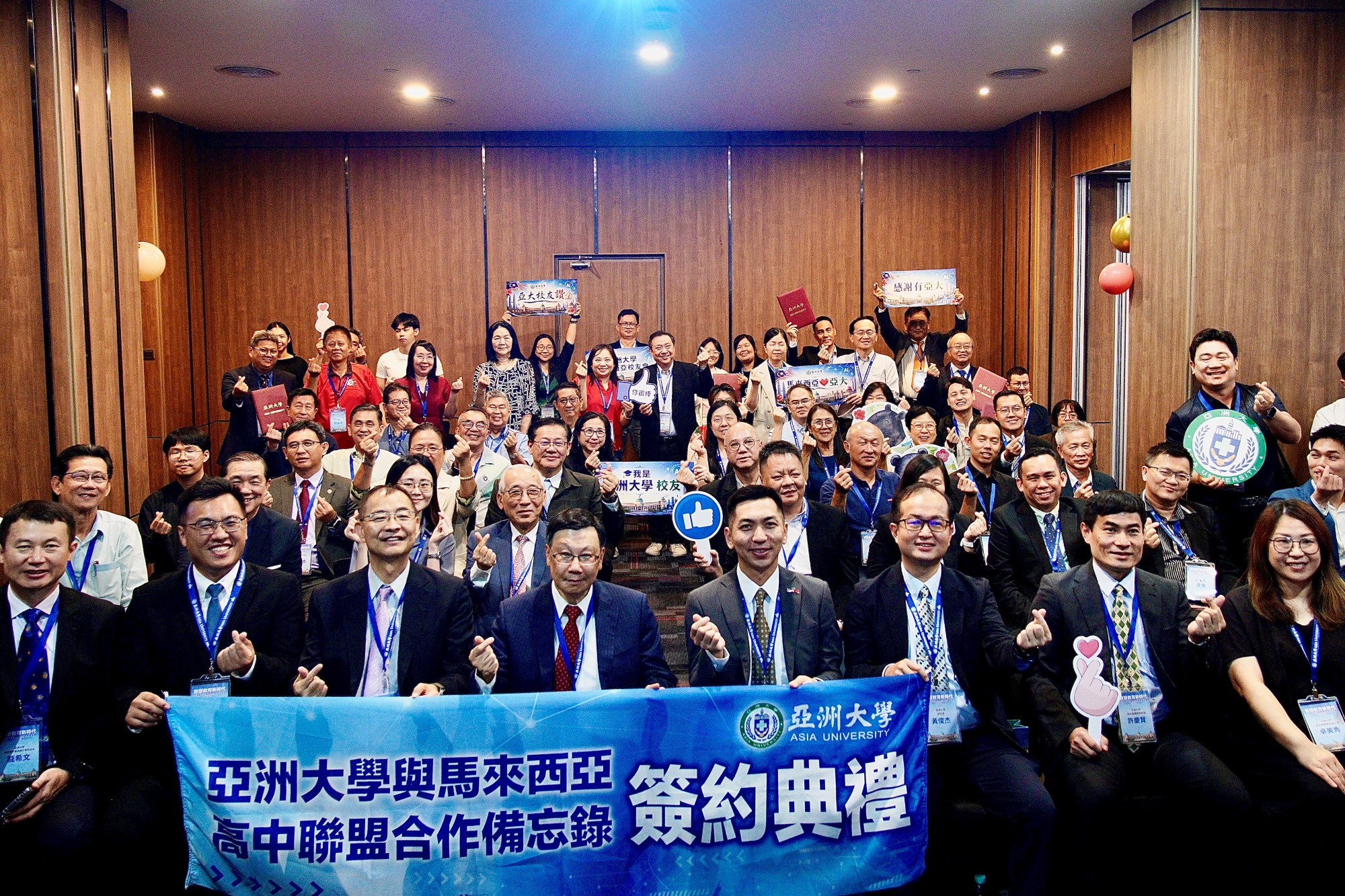
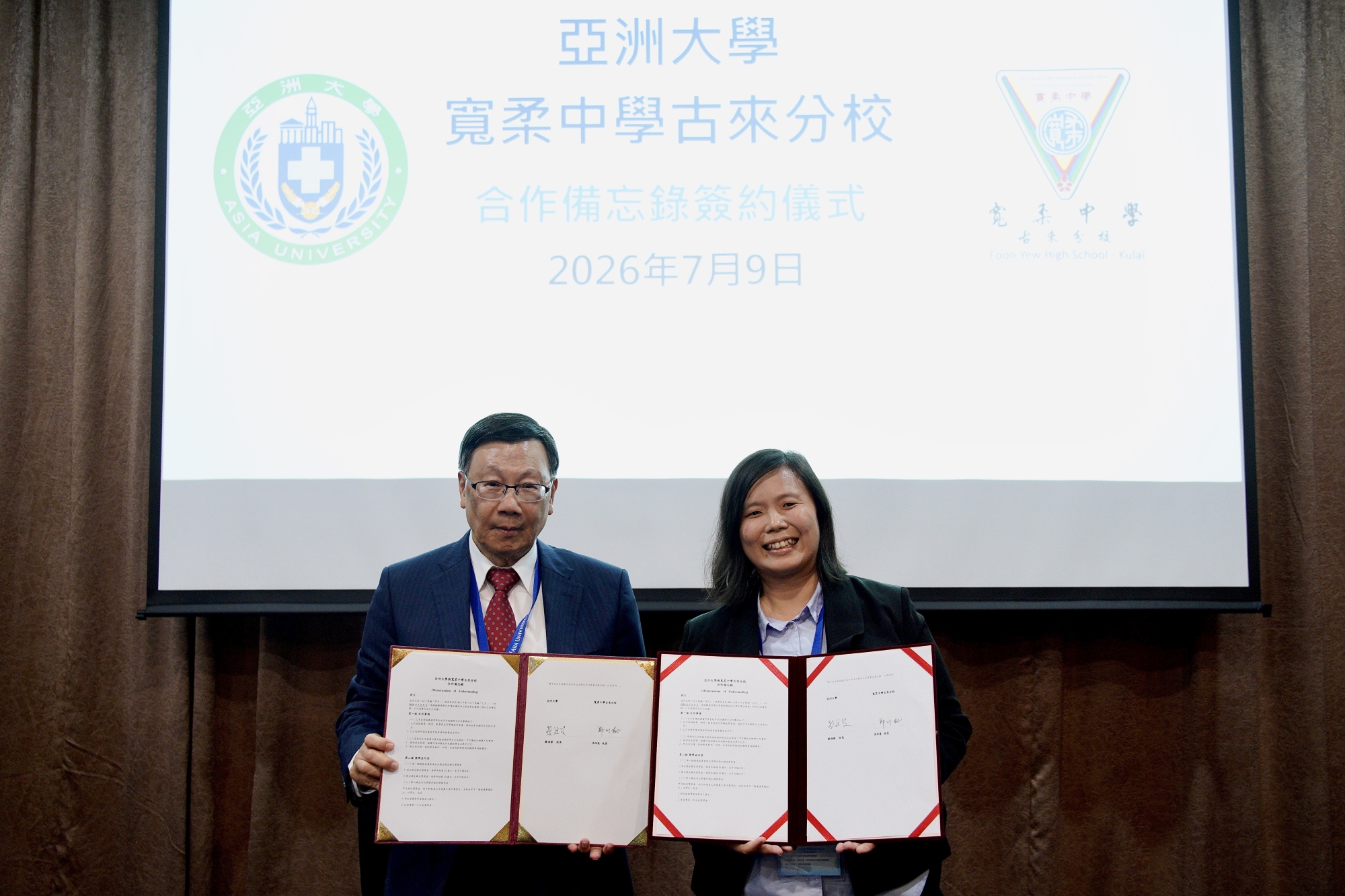
Asia University recently held the “Smart Education in a New Era: AI-Driven International Talent Education Forum” and cooperation-signing ceremony in Kuala Lumpur. Participating schools are located across Kuala Lumpur, Selangor, Penang, Johor, Perak and Sarawak. The initiative establishes channels for student exchange, teacher visits, academic progression guidance and technology talent development, while helping Malaysian students gain earlier exposure to Taiwan’s higher-education strengths and semiconductor industry ecosystem.
More than a school partnership, the initiative places semiconductor talent development at its centre. As artificial intelligence, high-performance computing, smart manufacturing and advanced packaging continue to reshape global industries, semiconductors have become the essential foundation of modern technology. Asia University aims to help Malaysian students explore technology interests from secondary school onward, understand industry trends and develop a clear pathway toward study, hands-on learning and international careers in Taiwan.
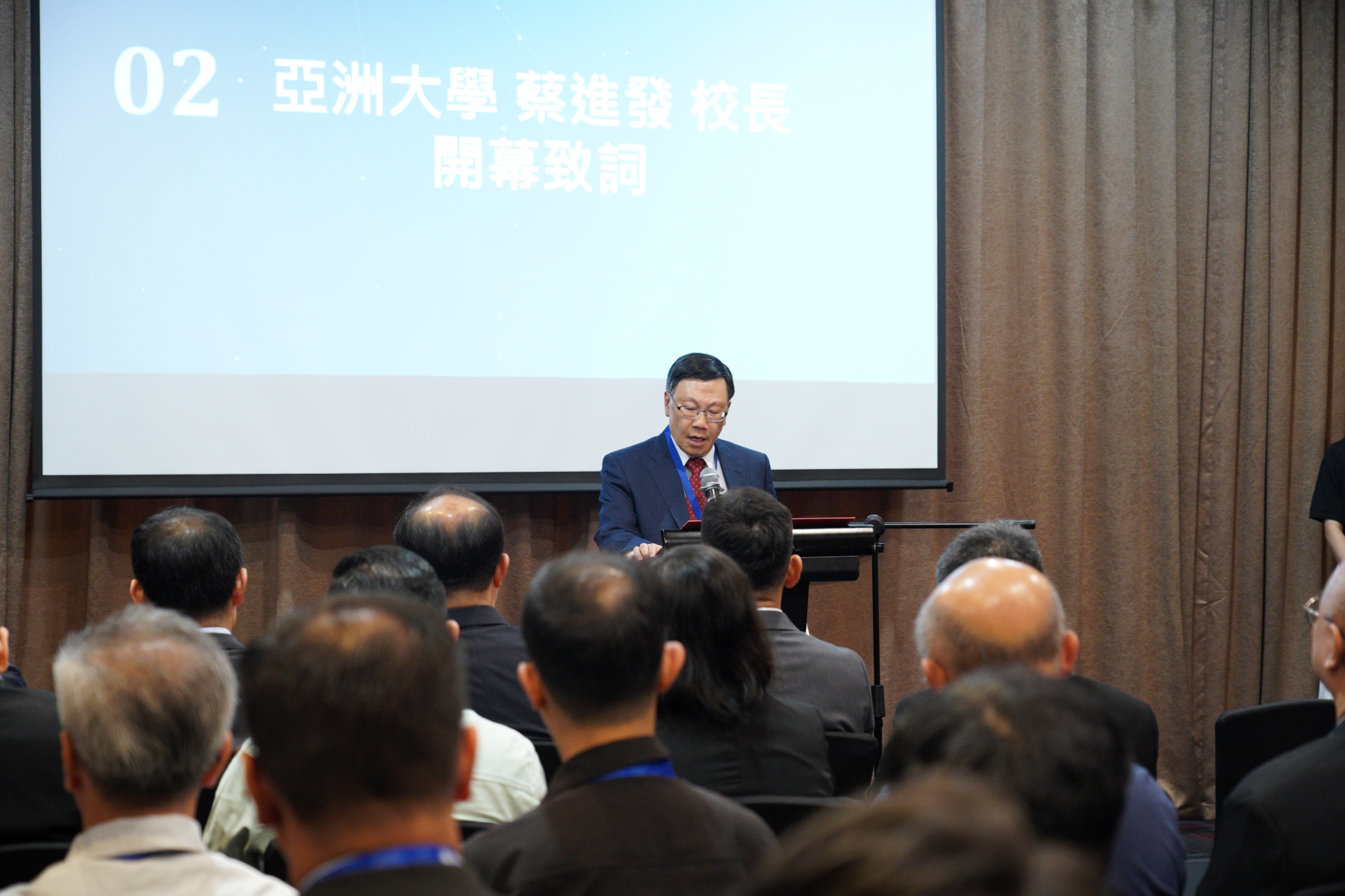
President Tsai noted that Taiwan and Malaysia share deep connections in education, culture and industrial development. At a time when artificial intelligence, semiconductors and interdisciplinary technologies are developing rapidly, universities must connect with schools, industry and international partners at an earlier stage. The agreements with Malaysian high schools therefore represent a shared commitment to technology talent development, rather than a conventional recruitment activity alone.
President Tsai explained that Asia University has integrated strengths across computing, engineering, materials, smart manufacturing and design. Its Bachelor Program of Semiconductor enables students to build understanding from chip design concepts and semiconductor materials and processes to packaging, testing and system applications. Through future lectures, curriculum collaboration, teacher exchanges, student visits, academic guidance and hands-on programmes, the University will support Malaysian students in developing concrete and informed technology-learning pathways.
From Understanding Chips to Hands-On Learning
A Complete Semiconductor Learning Pathway at Asia University
Associate Professor Yu-Ming Peng of Asia University’s Bachelor Program of Semiconductor noted that the rapid development of artificial intelligence has made the importance of semiconductors increasingly visible in everyday life. Smartphones, cloud servers, intelligent vehicles, medical equipment and future robotics all depend on high-performance chips and reliable packaging-and-test technologies.
“Future talent needs to understand more than software and systems,” Associate Professor Peng said. “Students should also understand how a chip is designed, manufactured, packaged, tested and made reliable in real-world applications.” The program is built around three ideas: understanding chips, learning by doing and connecting with industry.
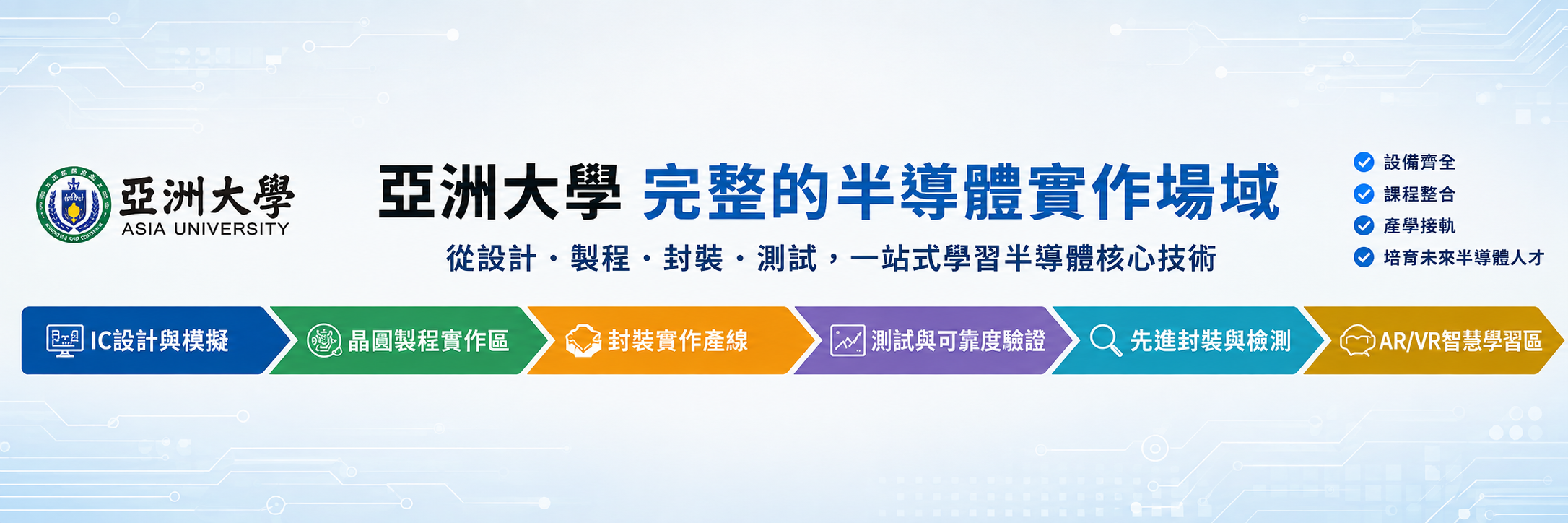
The Bachelor Program of Semiconductor focuses especially on semiconductor manufacturing processes, packaging and testing, while connecting with IC-design learning in computer science. Students can deepen their studies in semiconductor devices and design, or semiconductor materials and processes, while developing the interdisciplinary communication, technical integration and problem-solving abilities required by the technology industry.
Asia University continues to strengthen its semiconductor learning environment through semiconductor process laboratories, packaging-and-test modules and an IC packaging quasi-production line. Resources include the AMD Logic and Computing Laboratory, collaboration platforms with Siliconware Precision Industries, and a future Augmented Reality and Virtual Reality semiconductor classroom. Students can gain exposure to key packaging processes such as dicing, die bonding and wire bonding through equipment-based learning, industry cases and practical training.
Connecting Education, Industry and Overseas Communities
to Expand the Taiwan-Malaysia Semiconductor Talent Network
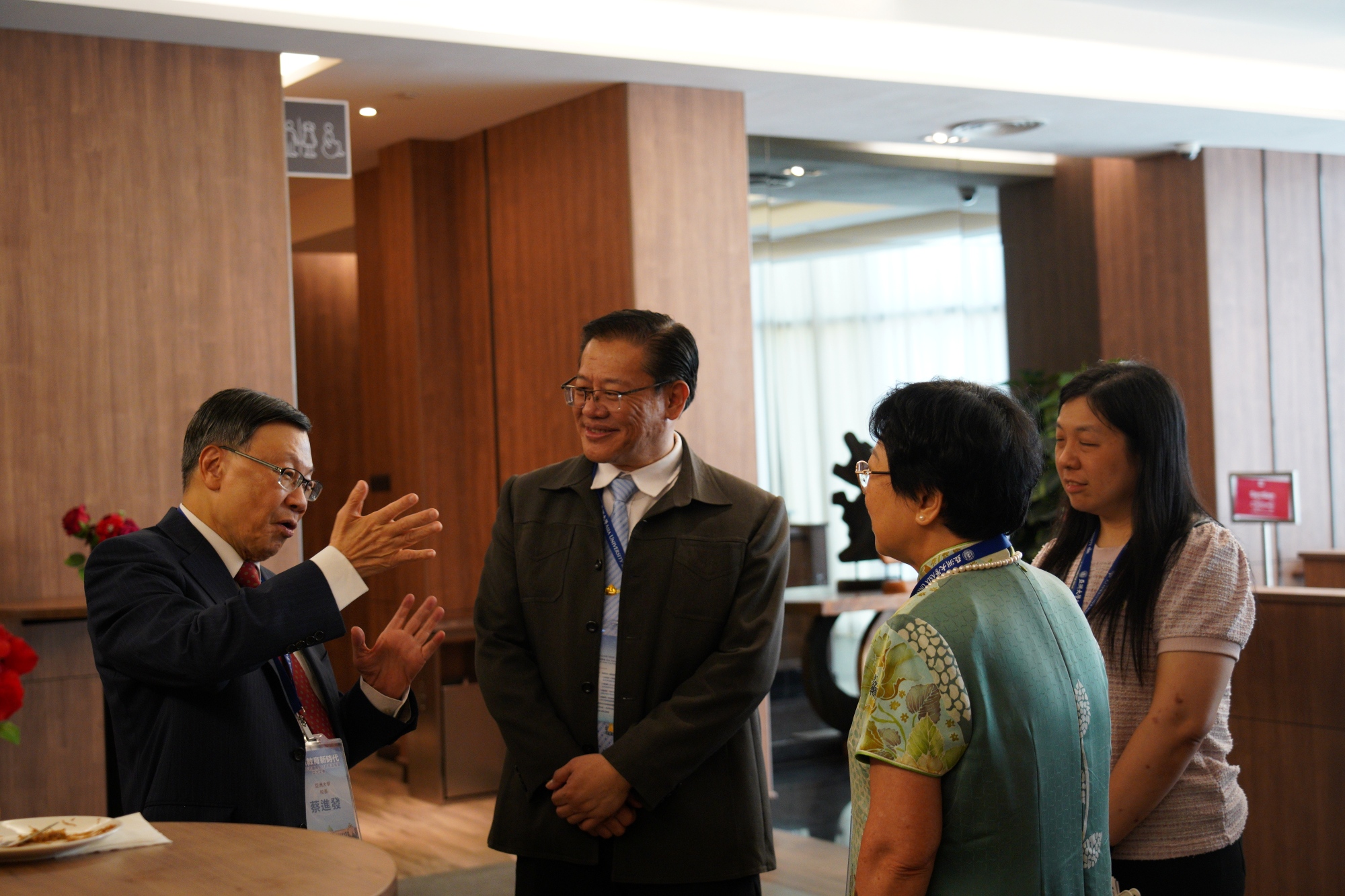
The forum also addressed artificial intelligence education, semiconductor industry trends and future talent development. Vice President Huang J-J shared perspectives on semiconductor industry trends and talent demand. Dean Hsu Ching-Hsien of the College of Information and Electrical Engineering introduced achievements in AI education and interdisciplinary teaching. Chair Lung Hsi-Wen of the Department of Creative Product Design discussed applications of generative AI in design education, while Dean of Academic Affairs and International Affairs Director Lin Jun-Wei outlined smart precision learning and international talent-development strategies.
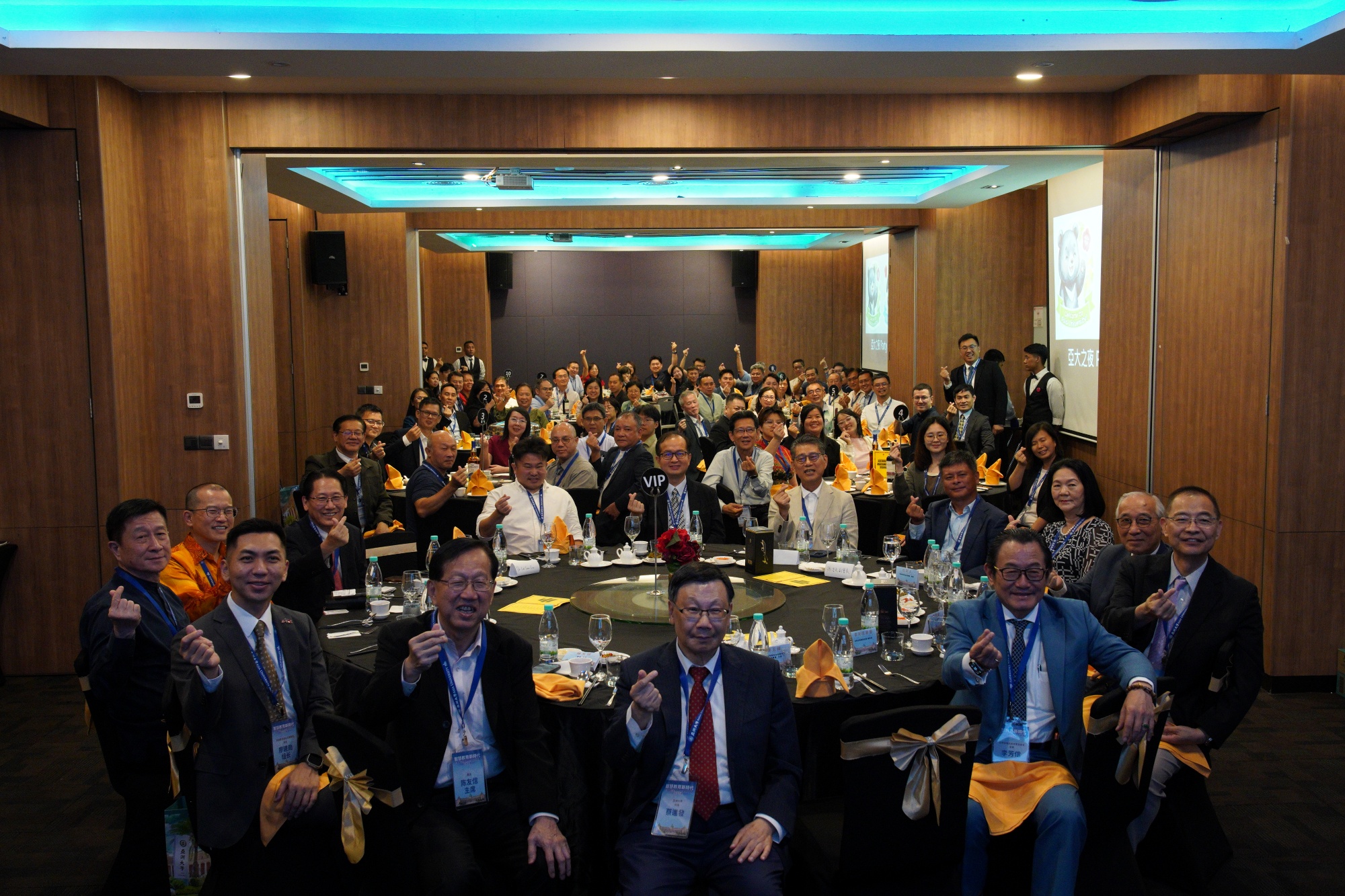
The event received strong support from Malaysia’s education, industry and overseas Chinese communities. Distinguished guests included Honorary President Lee Fang-Hsin of the World Taiwanese Chambers of Commerce, Honorary President Du Shu-Jing of the Federation of Malaysian Manufacturers and Taiwanese Chambers of Commerce, President Tan Yu-Shin of the United Chinese School Committees’ Association of Malaysia, and Representative Lien Yu-Ping of the Taipei Economic and Cultural Office in Malaysia. Their participation reflects the expansion of this initiative from school-level exchange into a cross-border education alliance connecting secondary schools, universities, industry, overseas communities and alumni networks.
From Secondary-School Exploration to International Careers
Building a Long-Term Taiwan-Malaysia Semiconductor Talent Pipeline
President Tsai stated that Asia University will continue to work with government agencies, education partners, enterprises and its global alumni network to advance smart education, AI innovation, semiconductor talent development and sustainability. Through long-term collaboration with Malaysian high schools, students can begin exploring technology interests early, then progress toward professional coursework, practical learning, industry engagement and international career development at Asia University.